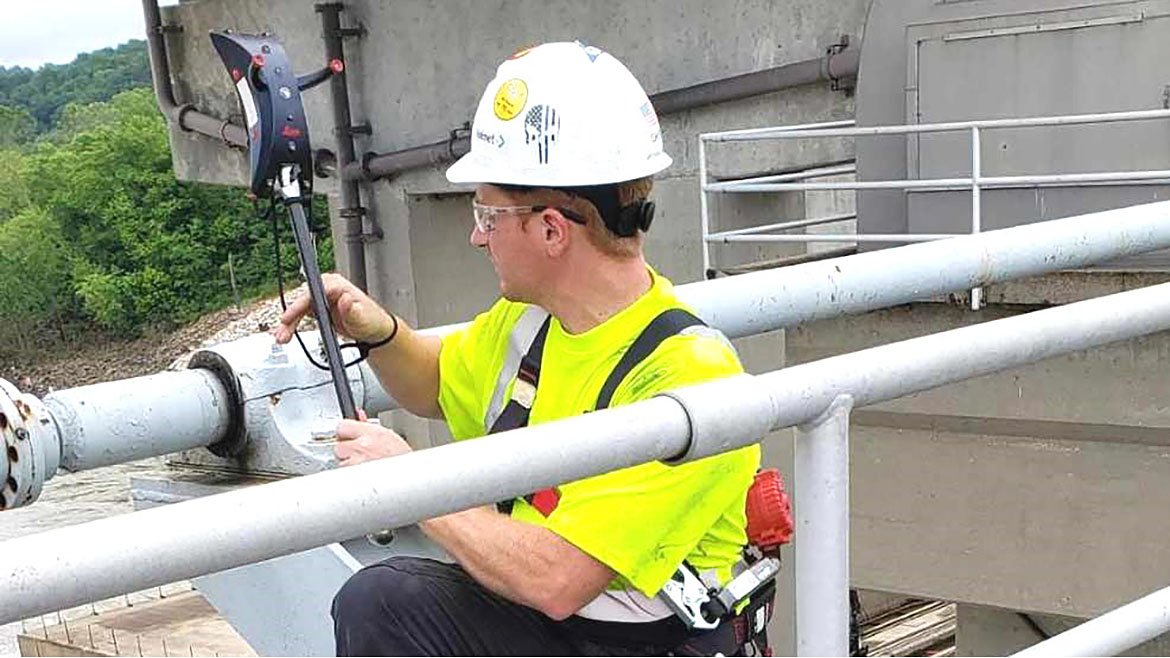
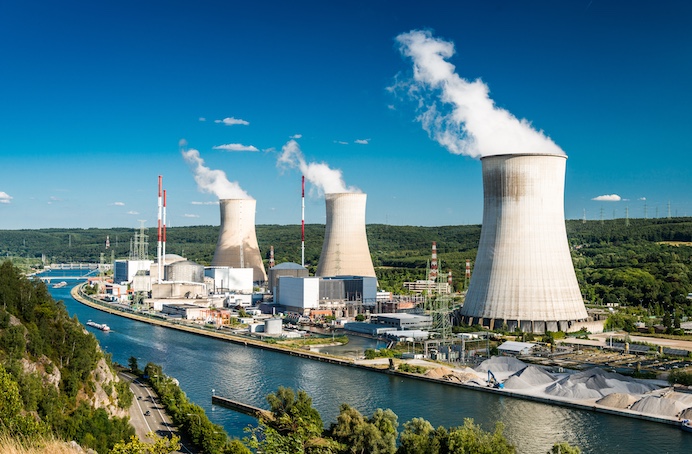
ECM supports nuclear operators with high-accuracy 3D scanning programs designed for complex plant environments. With modernization, refurbishment, and digital-twin initiatives advancing across the sector, engineering teams are relying heavily on clean geometry data captured before the outage begins. The article below outlines why early scanning has become a top priority for utilities preparing for 2026 work.
Nuclear facilities continue to operate under increasing pressure to complete more work in the same outage window. Life extension programs, major component replacements, and new digital expectations are all converging at once. Plants are entering a cycle where accurate planning data is no longer optional. It is the only way to keep schedules intact and avoid downstream delays that impact safety, production, and regulatory reporting and compliance.
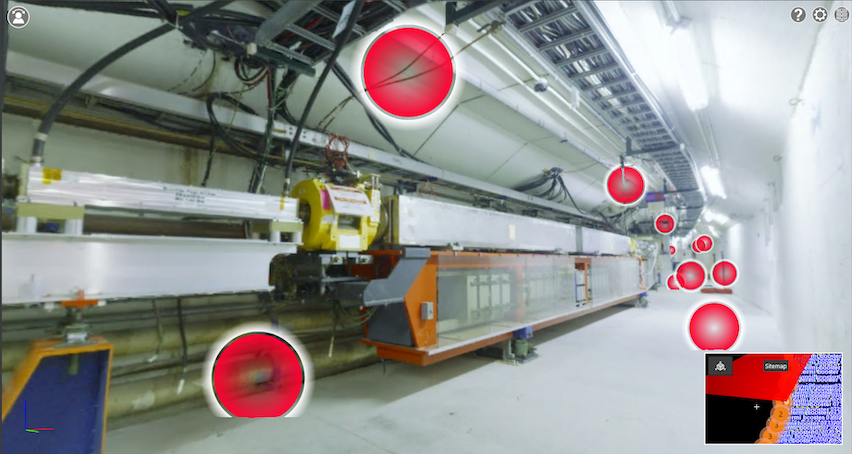
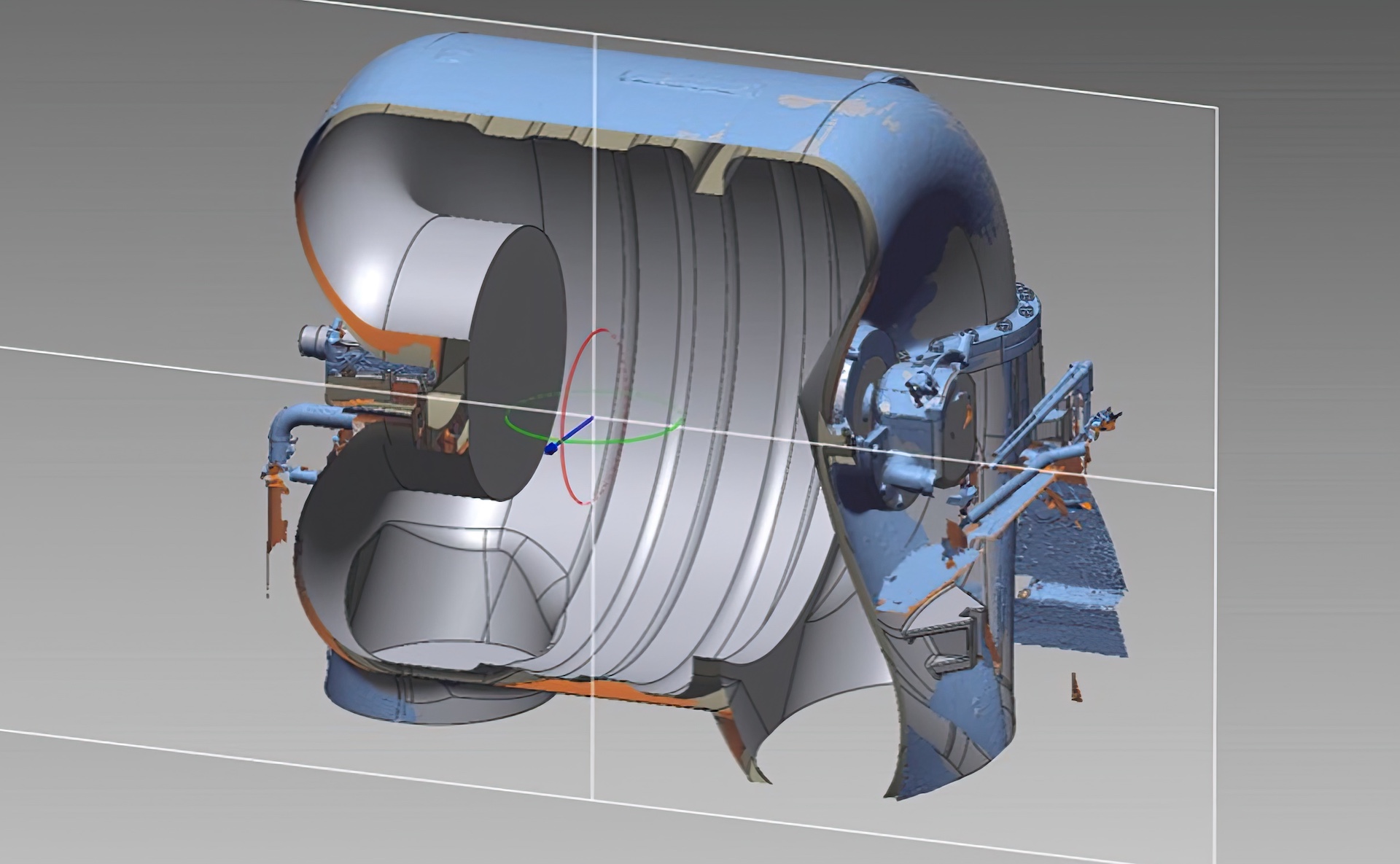
This is why many operators are now turning to early-stage 3D scanning as a planning tool, well before an outage begins. Capturing baseline geometry now gives engineering and maintenance teams the information they need to prepare for future refurbishment and modification work. It provides clear visibility into the true as-built condition of critical areas and removes guesswork from the planning stage. This allows contractors to finalize designs, confirm fabrications, and validate fit reactions ahead of time rather than discovering conflicts inside the outage.
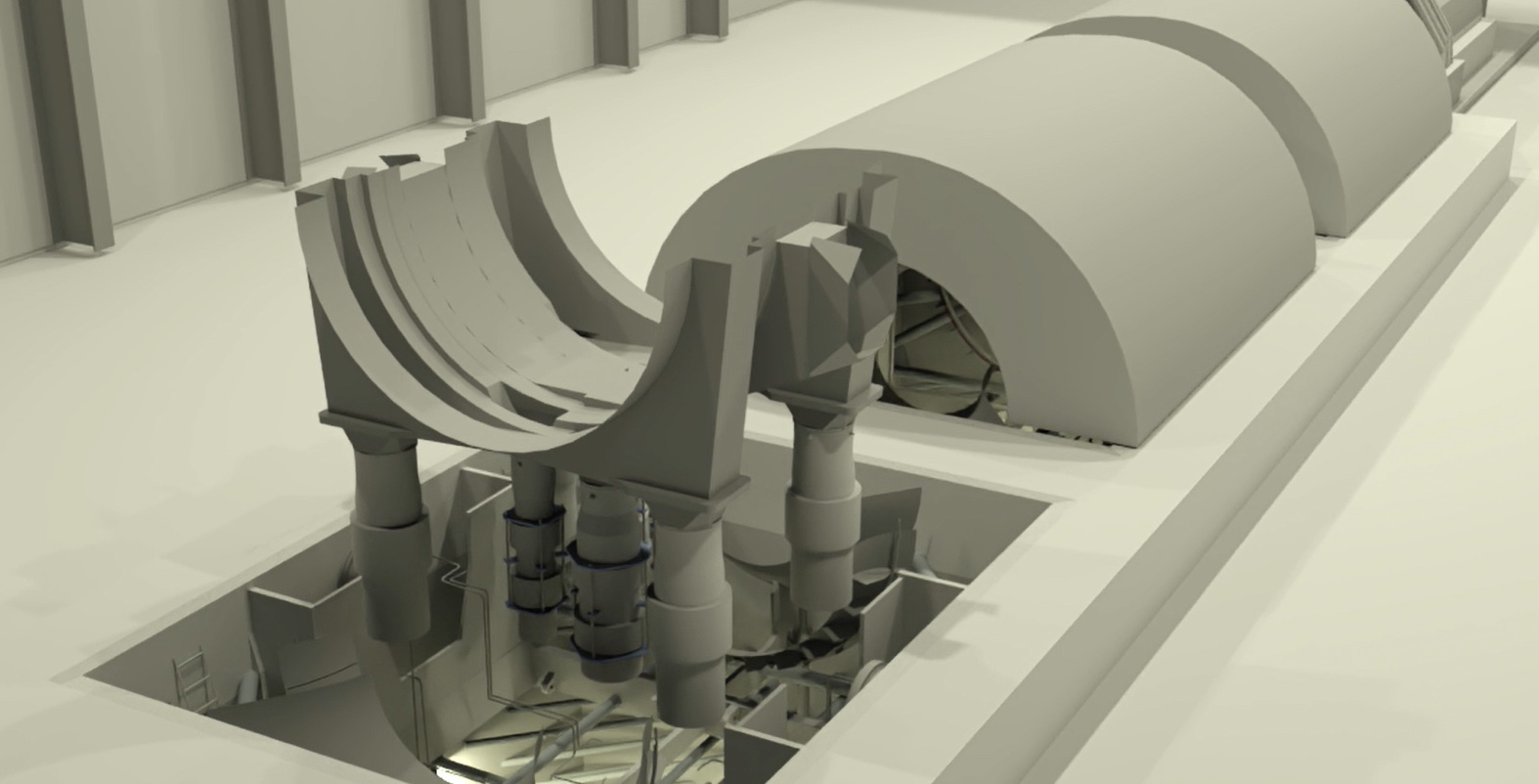
The shift to digital twins and predictive maintenance is accelerating this requirement. More utilities are documenting their facilities with high resolution point clouds that support modeling, alignment planning, and long-term asset assessments. These models are becoming the starting point for major projects such as LP compressor replacements, reactor coolant pump work, and upcoming Steam Generator Replacement efforts. If geometry is wrong or incomplete, it disrupts the entire sequence of work associated with these high value programs.
A complete scan performed before the outage provides design ready data that feeds machining, alignment, and fabrication work. It also establishes a baseline for comparison during the outage, which improves accuracy and shortens the time required to validate and adjust final installations. This approach supports faster field execution and reduces costly rework.
The most effective time to capture as-built conditions is now. Providing accurate geometry at this stage strengthens communication between utilities and contractors and gives every team member a clear view of what they will face once the plant goes offline.
Pre-outage scanning is becoming standard practice across the nuclear sector because it improves safety margins, protects schedules, and lowers total project cost. It also aligns with regulatory expectations around documentation and traceability. Nuclear operators that adopt this early approach move into the outage with confidence, knowing their plans and materials match the real-world environment.
Our measurement and machining teams are supporting this shift with complete field ready scanning programs that deliver accurate geometry, clear models, and data sets tailored to project needs. These deliverables help nuclear groups prepare for complex work with better information and a stronger foundation for execution.
ECM provides precision dimensional inspection, training, and instrument calibrations supported by ISO/IEC 17025 accredited laboratories and experienced field teams. If your 2026 scopes require accurate geometry, now is the time to schedule your pre-outage documentation.
For more information on our services or to schedule a site visit, contact us today.