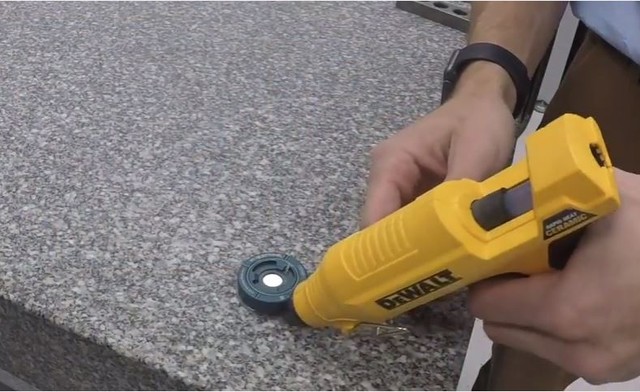
This Old Tracker – Episode II – Using Control Points to Check Drift
Published: September 2016
Video Credit: Nick Colby, Michael Divito, and Lukasz Turolski
Whether you have a brand new laser tracker or you are restoring an older one, maintenance and upkeep are extremely important. On today’s episode of “This Old Tracker” Nick Colby explains the significance of using control points to check for drift.
A control point is a fixed, known, repeatable point on a part which allows you to check drift. Drift is how far the part has moved from the tracker. Checking drift is important whether you are in the metrology lab, or out in the field.
Common Reasons to Check for Drift:
- Disruptive heavy machinery nearby causing vibration of the equipment
- Shifting parts
- Thermal expansion caused by sudden air temperature change
- Shipping the equipment from one environment to another
- Equipment shifting
The most important times to check drift is right at the end of a job before you pack up, or before you move the tracker position, or the part.